%2FKinvara%20Private%20Hospital%20logo.png&w=640&q=75)
%2Flipoedema-surgery-hero.png&w=2048&q=75)
Lipoedema Surgery
0% finance available - find out more
Lipoedema Surgery Before and Afters
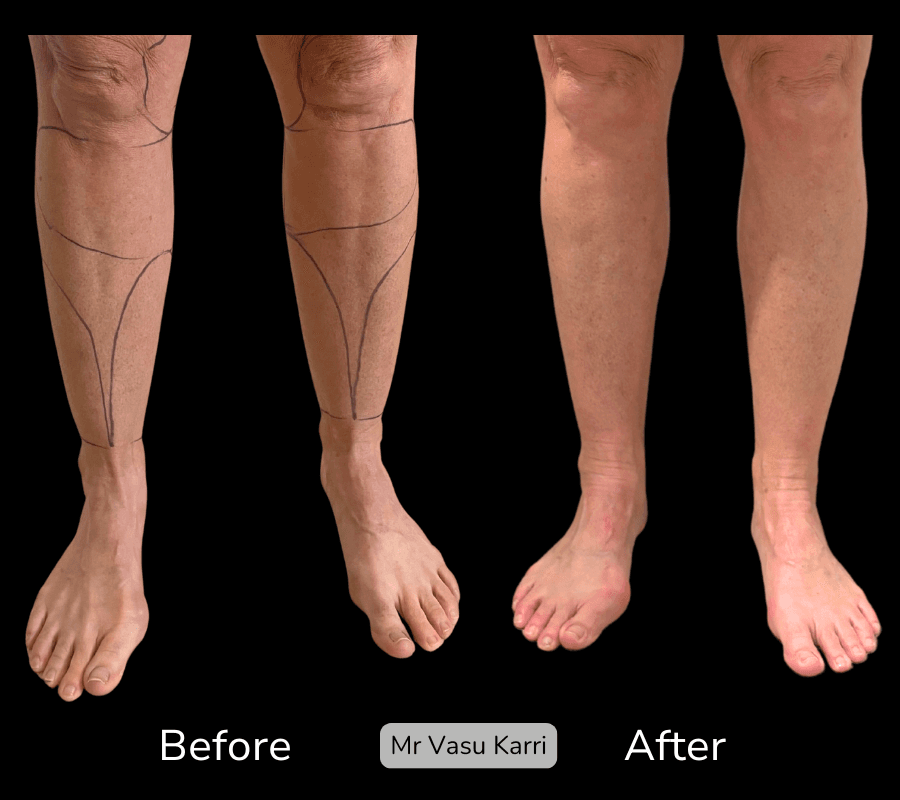
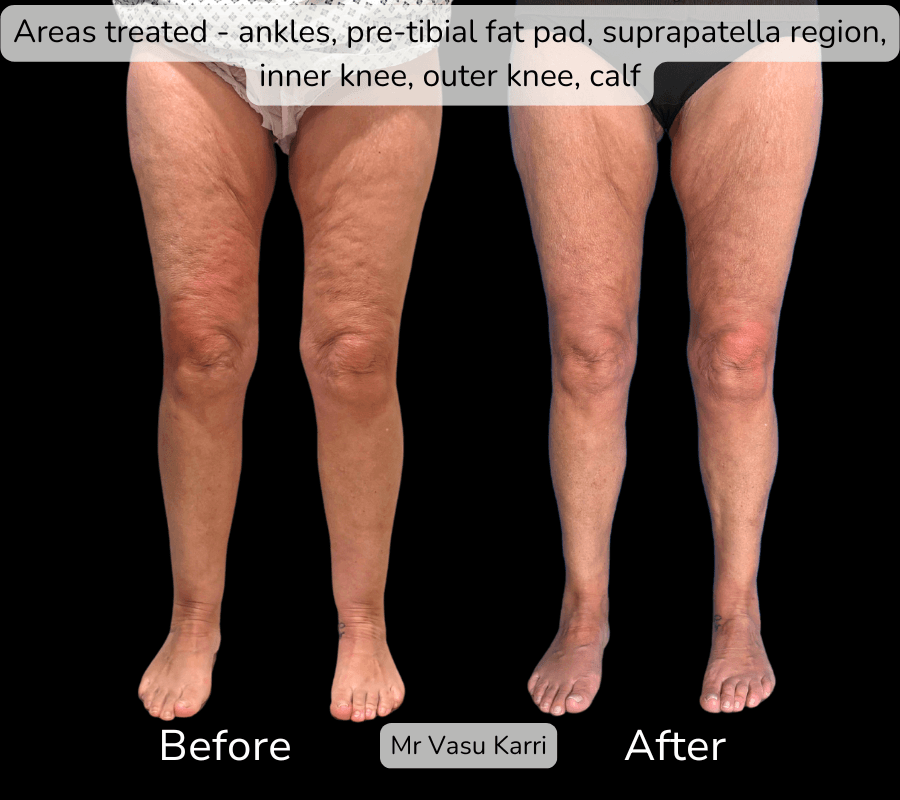
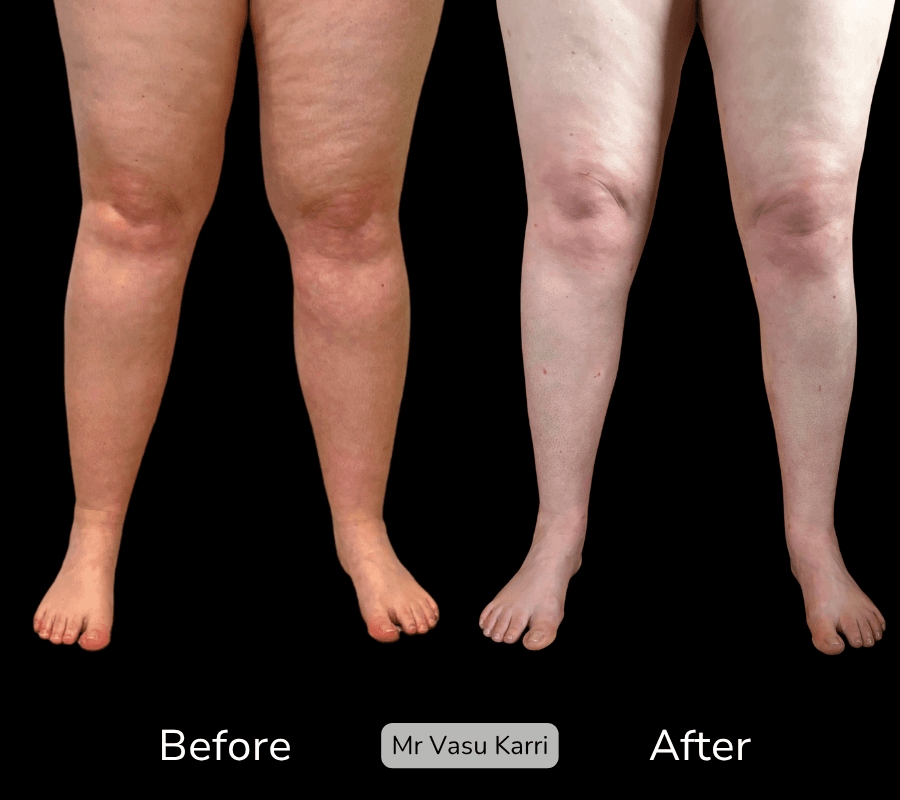
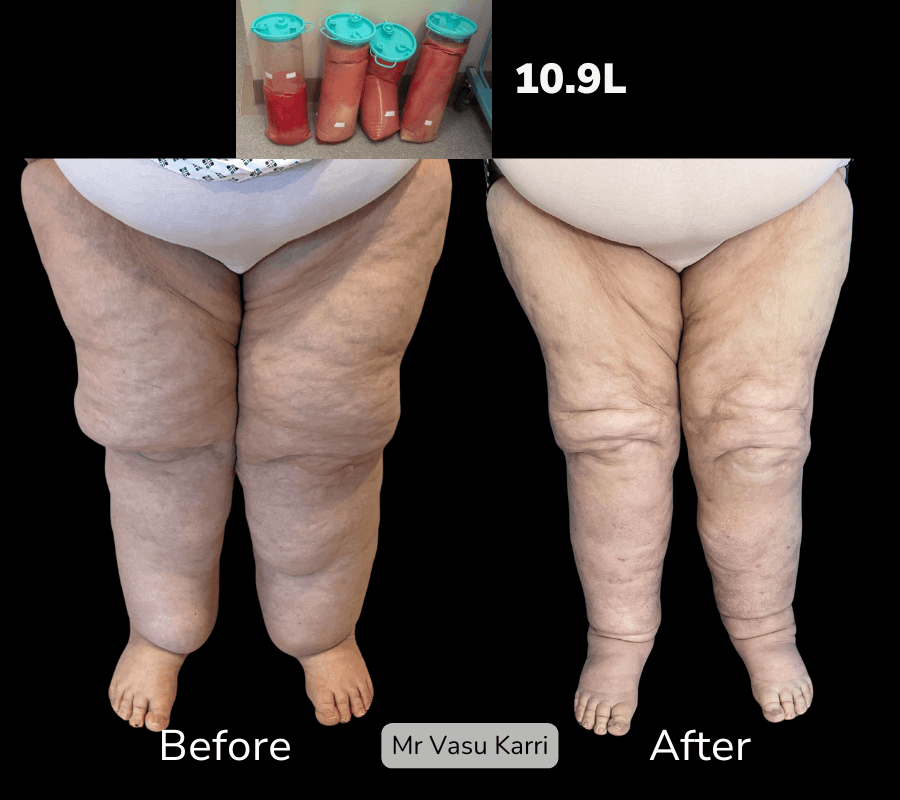
At Kinvara Private Hospital we offer a full range of lipoedema surgery procedures
Arm Lipoedema Surgery
Lower limb lipoedema surgery
Trunk lipoedema surgery
Cankle Surgery
Introduction
Lipoedema, often misdiagnosed as simple obesity, is a chronic condition characterized by the abnormal accumulation of fat cells in the legs, thighs, buttocks, and sometimes arms. This page aims to provide a thorough understanding of lipoedema, its diagnosis, and the various treatment options available to manage and improve the condition.
What is Lipoedema?
Lipoedema is a progressive disorder that primarily affects women, typically beginning or worsening during hormonal changes such as puberty, pregnancy, or menopause. The condition is characterized by:
- Symmetrical fat distribution in the lower body
- Disproportionate body shape
- Pain, tenderness, and easy bruising in affected areas
- Minimal effect on feet, hands, and upper torso
While the exact cause remains unknown, genetic predisposition, hormonal change and diet are believed to play a role in its development.
Diagnosis of Lipoedema
Accurate diagnosis is crucial for effective treatment. Lipoedema is often misdiagnosed as obesity or lymphoedema. Key diagnostic criteria include:
- Symmetrical fat distribution
- Minimal involvement of hands and feet
- Pain and tenderness in affected areas
- Resistance to diet and exercise
- Easy bruising
Early diagnosis can significantly improve treatment outcomes and quality of life for patients. If you are unsure whether your symptoms fit the pattern above, you can complete our online lipoedema screening test and a member of the team will review your answers.
Non-Surgical Treatment of Lipoedema
While there is no cure for lipoedema, several non-surgical treatments can help manage symptoms and slow progression:
1. Compression Therapy
Compression garments may help reduce orthostatic oedema and lessen soft-tissue pain and discomfort in affected areas. Class 1 or 2 compression is adequate. Custom-fitted garments may be needed for large Stage 2 or Stage 3 patients.
2. Manual Lymphatic Drainage (MLD)
MLD is a specialised massage technique that stimulates lymph flow, reduces fluid retention, and improves tissue health. Regular sessions can meaningfully improve symptoms and overall quality of life.
3. Exercise and Movement
Low-impact aerobic activities such as swimming and cycling, alongside strength training and yoga or Pilates, are particularly well-suited to managing lipoedema. Regular movement improves circulation, maintains muscle mass, and supports weight management. It is important to begin gently and build intensity gradually.
4. Nutrition and Diet
Although lipoedema fat is largely resistant to traditional weight loss methods, a balanced, anti-inflammatory diet with adequate protein and limited processed foods and sugars can help manage overall health and reduce complications. Some patients report symptomatic benefit from ketogenic or low-carbohydrate approaches, though further research is needed to confirm long-term efficacy.
5. Ketogenic Diet and Supplements
Emerging evidence suggests that a very low-carbohydrate, high-fat diet combined with supplements such as selenium, vitamin D, and omega-3 fatty acids may help manage lipoedema symptoms. While the approach shows promise, more robust research is needed before firm recommendations can be made.
6. Psychological Support and Self-Care
Living with lipoedema can carry a significant psychological burden. Counselling, peer support groups, and stress management techniques are an important part of comprehensive care, and patients are encouraged to seek support and to practise self-compassion and body acceptance alongside their physical treatment.
7. Deep Oscillation Therapy
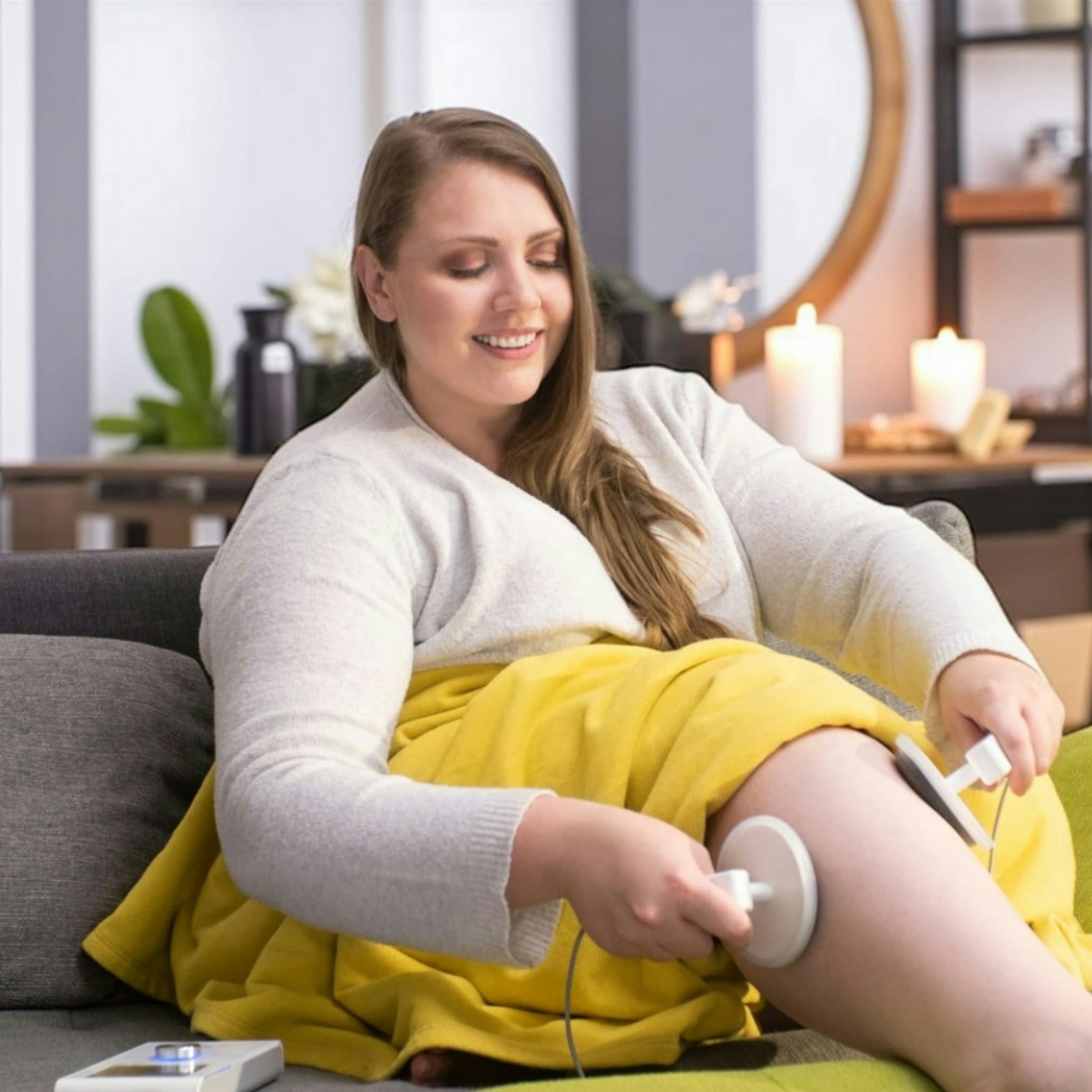
A gentle, non-invasive electrostatic therapy used to soothe sensitive limbs, ease congestion, and soften fibrotic tissue. Mr Karri recommends it for preparing tissues before lymph-sparing liposuction and for recovery afterwards. Read more about Deep Oscillation therapy for lipoedema.
External Sources
Lipoedema surgery, areas we service
Sheffield | Doncaster | Barnsley | Rotherham | Maltby | Mexborough | Wombwell | Wath upon Dearne | Thorne | Dinnington | Hoyland | Stocksbridge | Hatfield | Edlington | Stainforth | Brierley | Askern | Penistone | Bawtry | Tickhill
Frequently asked questions about private lipoedema surgery
What is lipoedema and how is it different from obesity?
What lipoedema surgery techniques do you offer at Kinvara?
How much does private lipoedema surgery cost at Kinvara?
Is 0% interest finance available for lipoedema surgery?
How long is recovery after lipoedema liposuction?
Will my surgery be performed by Mr Vasu Karri?
Where is Kinvara Private Hospital and which areas do you serve?
Where you'll find us
Easy to find and easy to get to
From the M1, take Junction 33 and follow the A630 towards Rotherham.
Continue on the A630 through Rotherham town centre, following signs for Parkgate.
At the Parkgate roundabout, take the second exit onto Aldwarke Lane.
Kinvara Private Hospital is located on your right, approximately 500 metres from the roundabout.
Free parking is available on site for all patients and visitors.
Get in touch
Our expert team is here to help. Fill out the form and we'll get back to you as soon as possible to discuss your treatment options, answer your questions, and book a consultation.
Fast Response
We aim to respond to all enquiries within 60 minutes (within working hours)
Transparent Pricing
Get a clear, upfront quote with no hidden costs
Or Contact Us Directly